
Free eBook for KITCHEN DESIGNERS
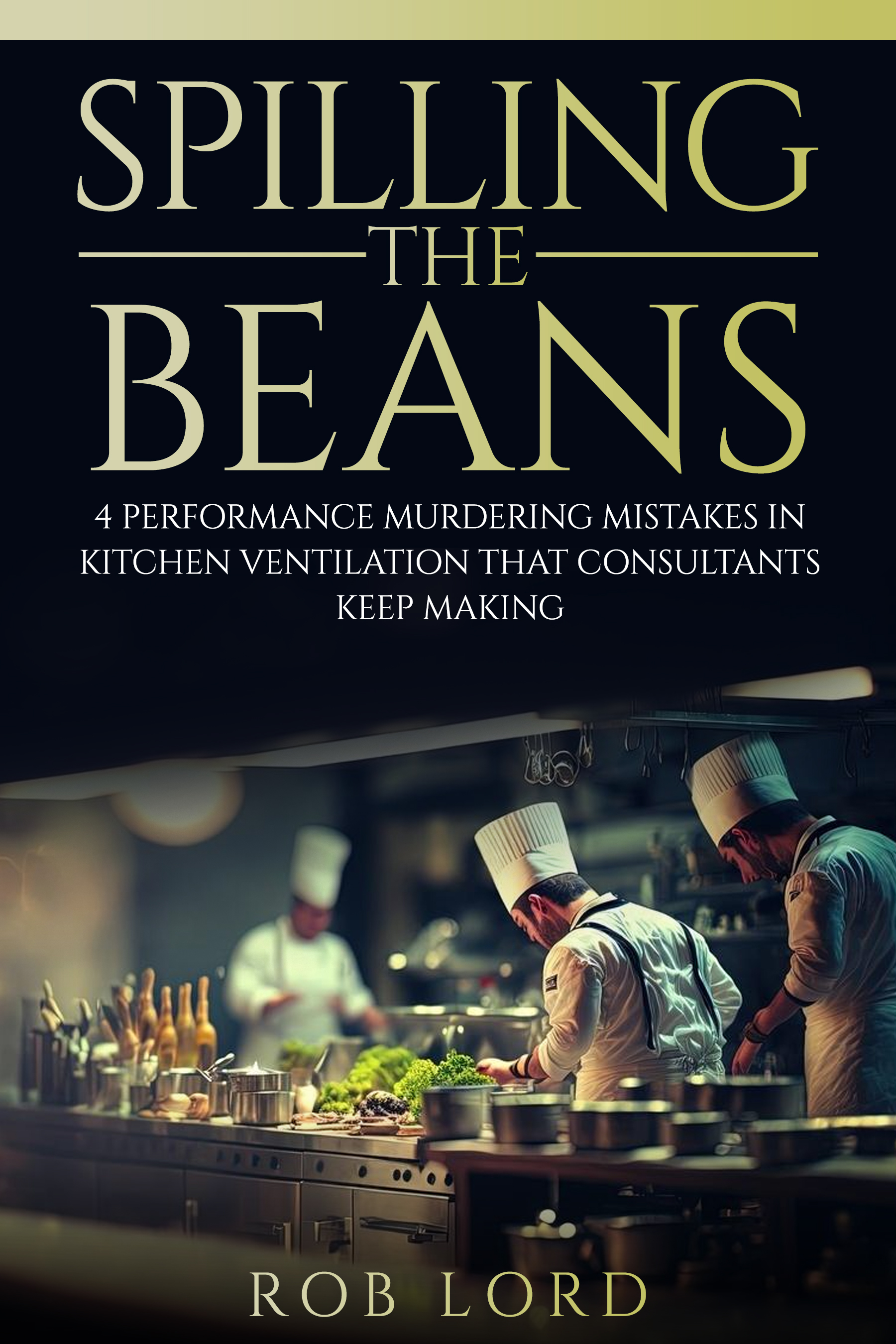
SPILLING THE
BEANS
4 Performance Murdering Mistakes in KITCHEN VENTILATION, that consultants keep making.
By Rob Lord — SEED Engineers P/L
3 proven techniques to improve kitchen staff productivity
The 3 costliest mistakes designers make — and how to avoid them
3 insider secrets to restore staff performance in as little as 3 weeks
The truth about why most kitchen space designs fall short of their goals
100% Free. No credit card required.
Trusted by 100+ construction teams across Australia.
$82/hr
value of a 10% productivity gain
100+
kitchen operator helped
13 yrs
kitchen engineering expertise
3 proven techniques
Three areas. Measurable gains.
real dollars back in your business.
Technique 01
thermal comfort
Every 1°C above the optimal setpoint costs 4.5% in productivity. When staff overheat, nearly half their blood flow diverts away from the brain.
Up to 13.5% gain
Technique 02
visual comfort
Improved lighting above code minimum can lift task accuracy by up to 25% and reduce eye strain by 56%. Most kitchens settle for 500 lux. The target is 750.
10–25% gain
Technique 03
acoustic comfort
The right reverberation and noise targets can improve worker output by up to 20%. Most kitchens don't even know these targets exist.
Up to 16% gain
3 common mistakes
Well-meaning consultants are quietly
hurting your business
These are the mistakes we see time and time again — and each one has a practical, cost-effective fix.
Mistake 01
Designing for energy efficiency, not staff effectiveness
Code-minimum specs trade your staff's health and output for a lower energy bill. The eBook shows you how to brief around this.
Mistake 02
Only designing for worst-case load
Fan Affinity Laws mean half-speed operation cuts power to one-eighth. Ignoring part-load performance is a noise and energy disaster.
Mistake 03
Ignoring grease removal efficiencies
Standard filters capture only 20–40% of grease. High-efficiency alternatives capture 94%+, cutting maintenance costs and fire risk dramatically.
3 insider secrets
restore kitchen performance - fast
01
Use the German Code for Kitchen Ventilation
Instead of relying only on standard local codes, the German approach includes:
Better ergonomic and comfort guidelines
Airflow based on actual equipment power
More efficient ventilation design
Result: Faster improvements in comfort, airflow, and overall performance.
02
Go Beyond Minimum Code Compliance
Most engineers stick to “Deemed-to-Satisfy” (minimum standards). But high-performing kitchens use:
Performance-based design solutions
Better lighting, cooling, and airflow
Smart trade-offs (e.g., energy vs productivity)
Result: Higher staff productivity and better long-term returns.
03
Prioritize Kitchen Hood Design
The kitchen hood affects almost everything:
Thermal comfort (temperature)
Noise levels
Airflow efficiency
Grease removal and maintenance
Poor hood design = poor kitchen performance.
Result: A well-designed hood improves comfort, reduces costs, and boosts efficiency.
The Truth About
Why Most Kitchen Designs Fail
Most kitchens fail because they are designed for buildings—
not for people working inside them.
They Focus on Compliance, Not Performance
Most consultants design to meet minimum code requirements, not to optimize:
Staff productivity
Comfort
Real-world performance
They Lack Specialization
Many engineers:
Are not kitchen specialists
Don’t fully understand kitchen workflows
Miss critical performance factors
They Prioritize Cost Over Effectiveness
Cheaper designs often:
Ignore staff conditions
Reduce long-term efficiency
Lead to higher operational costs
They Don’t Consider Staff Experience
Designs fail when they ignore:
Thermal comfort (too hot = huge productivity loss)
Lighting quality
Noise levels
Air quality
Get Your Free eBook
Delivered Instantly
SEED Engineers
"For the life of the building."
© 2026 SEED Engineers — All rights reserved.
Privacy Policy · Terms & Conditions · Contact Us